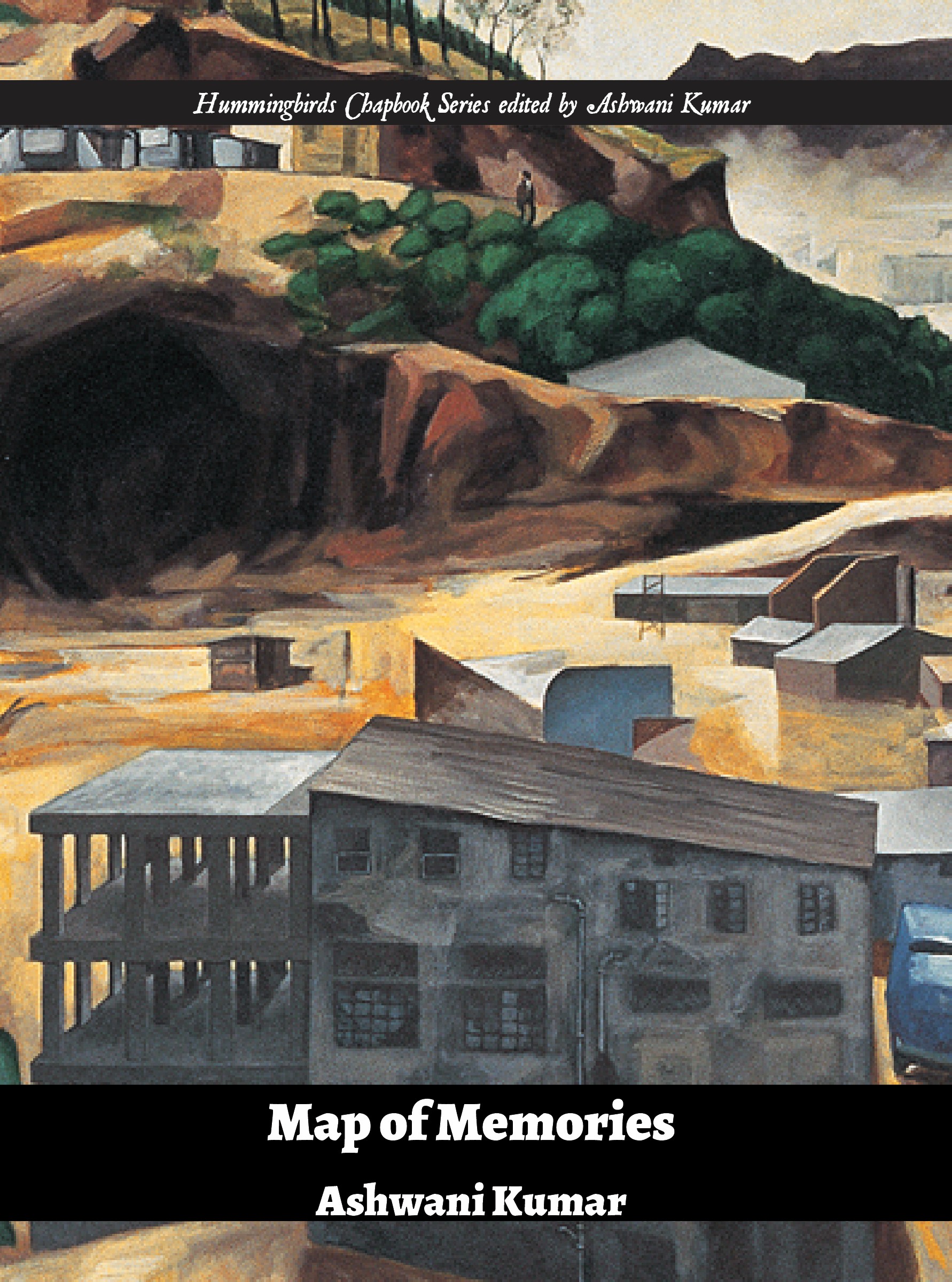
Description
An initiative of Red River and Indian Novels Collective
Hummingbirds are distinguished by their dazzling colours, diminutive size, and speedy flight, the only birds that can fly backwards, upside down, sideways, and hover in mid-air. Sighting a hummingbird also signals that challenging times are over and healing can begin. These little birds are also a sign of hope and spiritual significance. They are also critically endangered species, facing the prospect of extinction due to climate change.
Since publishing poetry is considered perhaps the most adventurous or perilous creative journey, curating a poetry series in the name of hummingbirds literally and metaphorically affirms our faith in the commitment and belief in the power of small to achieve the impossible.
Inspired by Wangari Maathai, the Kenyan activist and the first woman Nobel Peace Prize winner from Africa, who pioneered Green Belt Movement, and a great believer in the power of hummingbirds, we believe that our Hummingbirds Chapbook Series, a joint initiative of Red River and Indian Novels Collective, will energise poets and poetry lovers to come together and help create a republic of imagination.
The cover pages of the series are adorned with the artworks of celebrated artist Sudhir Patwardhan.
Map of memories is a series of symbolic, semiotic, and semi-autobiographical narratives about idea of memory or anamnesis and its vicissitudes. Memory is oddest of human anomalies; it’s intimate, anonymous, and cruel too. Even gods weep in memories and flood the earth with grief. There is nothing pure or perfect about memory; ‘in mirrors , there is no memory’, yet it’s sacred without which life is meaningless. Resonating with mysteries and melodies of episodic memory, Map of Memories is triggered by the smell of home or lack of home. And ‘my body chases it like a measureless shadow among the infinite’ in the words of Albanian poet Moikom Zeqo. In short, Map of Memories is about the struggle and survival of our primordial language(s) of identity, shining like lust, dust and stardust.
Ashwani Kumar is a poet, author and professor at Tata Institute of Social Sciences (Mumbai). Widely published, anthologised and translated into several Indian and foreign languages, his major poetry volumes include My Grandfather’s Imaginary Typewriter and Banaras and the Other. He recently edited Rivers Going Home and Scent of Rain: Remembering Jayanta Mahapatra, both major anthologies in Indian poetry. He is one of the chief editors of Global Civil Society at London School of Economics and also co-founder of Indian Novels Collective to popularise translation of classic novels of Indian languages. He writes columns in the Financial Express, Outlook India, The Hindu, and The Times of India, among others.
Reviews
Shyamasri Maji in Scroll.in
The book cover, a piece of expressionist artwork by Sudhir Patwardhan, showcasing the cityscape of Pokharan in Thane, serves as a fitting introduction to the first and the longest poem, “An Imaginary Map of My City.” This poem is a restless, hallucinatory archive of Anglophone poetry in Bombay, mapping the city as a shifting, polyphonic text shaped by its poets – Adil Jussawalla, Arun Kolatkar, Arvind Krishna Mehrotra, Eunice de Souza, Gieve Patel, Jeet Thayil, Ranjit Hoskote, Arundhati Subramaniam among others – and the remnants of its histories. Kumar negotiates his migrant identity within this subversive, unstable cartography of voices, ruins, and hauntings that define Bombay’s English poetic afterlife.
Sutanuka Ghosh Roy in The Financial Express
The emotional memory subjectivity is transferred from an autobiographical memory of a migrant to a public memory, because it is exposed and shared with his readers. This transmission of memories can reinforce the feeling of belonging to a group and a culture, a kind of form of representation that Halbwachs called collective memory. In Map of Memories, prosthetic memories become a part of the personal experience archive, flowing subjectivity and present and future time. The migrant is unable to follow a traditional language system, hence expresses his observations through allusions, allegory, intertextuality and polyphony and speaks to his readers and explicitly invites them to interpret and connect with his emotions. As the readers start setting their eyes closer to the zigzag pattern of the verses and the spaces in between, they find their own stories. Map of Memories is a cartography of lived experiences.


